
Different Types of Asbestos Testing
Older homes and commercial buildings often hide surprises behind the walls, ceilings, and floors. One of the most dangerous is asbestos. This once-popular building material shows up in countless structures built before the 1980s. Property owners often wonder how to test for asbestos safely and accurately. Several testing methods are used to detect asbestos in materials, surfaces, soil, or the air. Uncover the different types of asbestos testing to protect your property and the people you care about.
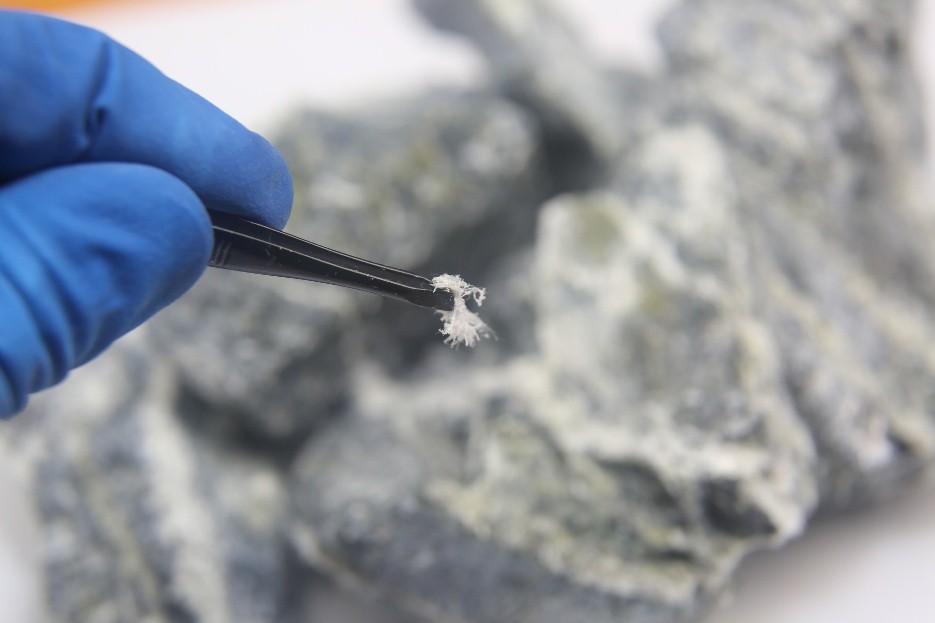
What Is Asbestos and Where Is It Found?
Asbestos is a group of naturally occurring minerals. Builders once widely used it for its durability, fire resistance, and insulation properties. Unfortunately, disturbed asbestos releases microscopic fibers that pose serious health risks, which led to widespread restrictions beginning in the late 1970s.
Despite this, many older buildings still contain asbestos-containing materials. An asbestos testing company might check the following areas:
- Insulation around pipes, boilers, and ductwork
- Vermiculite insulation in the attic and walls
- Vinyl floor tiles and adhesives
- Roofing materials and shingles
- Popcorn ceilings and textured walls
- Cement siding or panels
Why Test for Asbestos?
Most asbestos-containing materials remain safe if undisturbed. Problems arise when renovations, demolition, or other disturbances release fibers into the air. Testing is the only way to know for sure whether asbestos is present before a project begins.
Consider the most common situations that warrant a home asbestos test:
- Renovating a property built before 1980
- Selling or buying a home
- Recovering after water or fire damage
- Planning a demolition project
- Experiencing unexplained health concerns
Common Types of Asbestos Testing
Several different types of asbestos testing are available. A qualified company can determine which method fits the situation.
Bulk Material Testing
Bulk sampling is the most common testing method. Inspectors collect small samples from suspected building materials and send them to a laboratory for analysis using Polarized Light Microscopy (PLM). This process identifies asbestos fibers based on their unique structure and characteristics. The results provide a clear answer about whether a building material contains asbestos fibers.
Air Testing and Monitoring
Air monitoring detects airborne asbestos fibers. This form of testing is often conducted to protect workers and occupants during renovation or abatement projects that disturb building materials and may release fibers into the air.
Technicians collect air samples using special pumps and filters. Laboratories then analyze the samples using Phase Contrast Microscopy (PCM) for the fastest results. If the findings are inconclusive, technicians may switch to Transmission Electron Microscopy (TEM), which identifies asbestos fibers with greater precision.
Surface Wipe Testing
Surface wipe testing identifies asbestos fibers that have settled on floors, countertops, or other surfaces. This testing method often occurs in buildings where contamination may have spread beyond the original material source.
Technicians use special wipes to collect residue. The samples are then analyzed in a lab to determine whether asbestos fibers are present. TEM is the most common method for surface wipe asbestos testing. Some labs also use Scanning Electron Microscopy (SEM), which provides detailed images of the collected particles and identifies their chemical composition.
Soil Testing
Soil testing checks for asbestos contamination outdoors. Demolition sites, older industrial properties, and areas with construction debris sometimes contain asbestos in the soil. Testing confirms whether the ground is safe for construction, landscaping, or redevelopment.
Inspectors collect soil samples from multiple locations and send them in for fiber analysis. Labs typically analyze these samples using TEM or PLM.
Clearance Testing
Clearance testing takes place after asbestos abatement to confirm the space is safe for normal use. Technicians perform visual inspections, air sampling, and laboratory analysis. Test results must confirm that asbestos fiber levels are below legal limits before the building can be cleared.
What Happens if Asbestos Is Detected?
Positive test results don’t automatically mean the building is unsafe. The next step depends on the condition and location of the asbestos-containing material.
Professionals usually recommend one of three strategies:
- Encapsulation: A protective seal is installed over the asbestos-containing material to prevent it from releasing fibers.
- Enclosure: A barrier isolates the material from surrounding areas.
- Removal (abatement): Specialists remove the hazardous materials entirely and dispose of them safely.
How Badger Remediation Conducts Asbestos Testing
Professional testing requires specialized equipment and safety procedures. Badger Remediation approaches each project thoroughly to protect people, property, and the environment. Here’s what to expect:
- Property inspection: Our trained technicians examine your property and identify potential asbestos-containing materials.
- Strategic sampling: We collect small samples from suspect materials and send them to a certified lab.
- Laboratory analysis: Technicians analyze the samples using the appropriate microscopy techniques. We share the results with you and recommend the best course of action.
Take the Next Step Toward a Better Property
Professional testing remains the only reliable way to confirm whether asbestos exists in your home or commercial building. The asbestos testing services from Badger Remediation give property owners the information they need to move forward confidently. Our team combines environmental expertise with restoration experience, allowing your project to move smoothly from testing to remediation. Contact us today to schedule professional asbestos testing in Greater Milwaukee.
