
How to Prepare for Vermiculite Removal in Milwaukee
Finding strange, pebble-like insulation in your attic raises a lot of questions. What is this material? Could it contain asbestos? Should you leave it alone or look into having it removed?
What you’re looking at is vermiculite insulation, which you may have stumbled upon during a home inspection or attic upgrade. It most certainly could contain asbestos, so if you’re planning a renovation or other activities that could disturb the insulation, you should have it removed. Vermiculite removal requires careful planning, professional equipment, and strict safety procedures. This checklist walks you through the basics so you understand the process and why you should leave it to the professionals.
What Is Vermiculite Insulation?
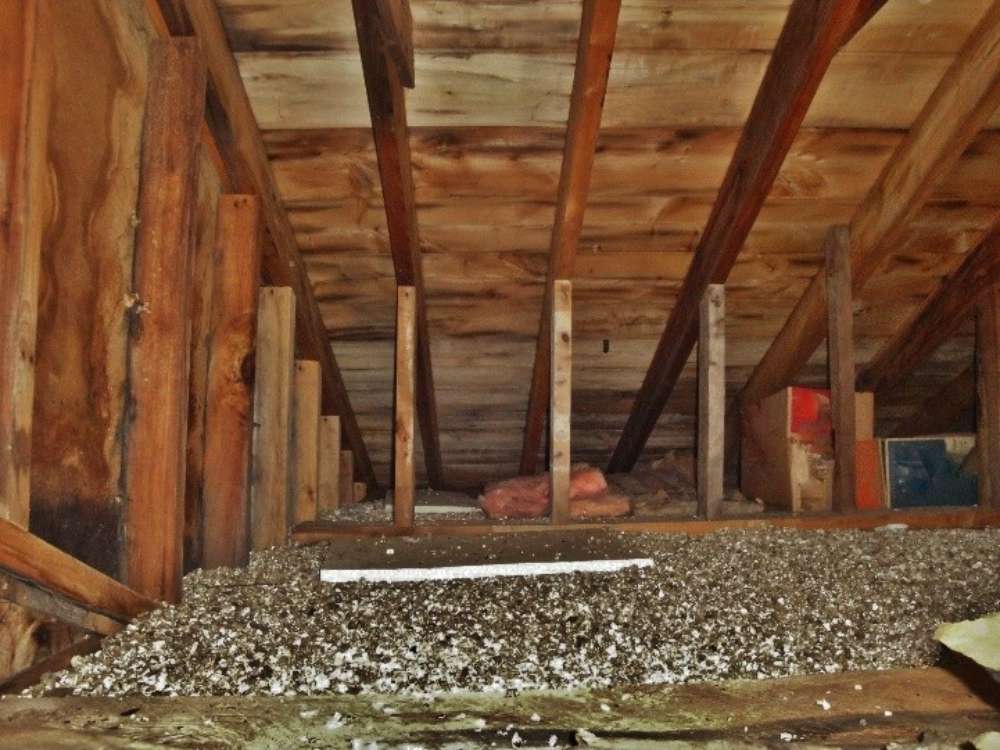
Vermiculite is a lightweight material once widely used as attic and wall insulation. It comes from a naturally occurring mineral that expands when heated, creating small, pebble-like pieces that resemble gravel or accordion-like flakes.
Builders used vermiculite insulation for decades because it was fire-resistant, lightweight, and easy to install. Many homes built before the 1990s still contain this material. The problem is that a large percentage of the world’s vermiculite came from an asbestos-contaminated mine in Libby, MT, and ended up in millions of homes. For this reason, professionals usually approach projects as vermiculite asbestos removal, just to be safe.
Why Vermiculite Can Be Dangerous
The biggest concern with vermiculite insulation is the potential for asbestos contamination. Asbestos fibers are microscopic and easily become airborne when disturbed. Once inhaled, the fibers can lodge in the lungs and lead to serious health conditions, including lung cancer, mesothelioma, and asbestosis.
So far, your home’s vermiculite insulation may have sat quietly in the attic for decades without causing issues. It should stay harmless as long as it remains undisturbed. Trouble starts when renovations, wiring upgrades, or HVAC installations disturb the material and release asbestos fibers into the air. Scheduling vermiculite insulation removal prior to these projects prevents fibers from spreading and protects the health of everyone in your home.
Signs Your Home May Have Vermiculite Insulation
Many homeowners discover vermiculite by accident. Look for these common clues if your home was built or last renovated before the early 1990s:
- Pebble-like attic or wall insulation ranging in color from silver-gold to grayish brown
- Loose-fill material poured between attic joists
- Insulation labeled with the brand name Zonolite
Anyone researching how to remove vermiculite insulation quickly discovers that this work requires trained specialists. Professional removal is important because it protects your property and the people living in it from potential asbestos exposure. The process requires specialized equipment, containment methods, and training to ensure compliance with modern safety standards.
Vermiculite Removal Preparation Checklist
Follow these steps to make vermiculite insulation removal go smoothly and safely:
- Schedule a professional inspection to confirm the presence of vermiculite insulation and assess the risk of asbestos contamination.
- Avoid disturbing the attic insulation before the removal team arrives.
- Relocate personal belongings from the attic access area, home entrances, and hallways that technicians will use to reach the attic.
- Temporarily shut down the HVAC system to prevent circulating fibers.
- Keep family members and pets away from the work zone.
- Postpone attic renovations, wiring upgrades, or HVAC work until vermiculite asbestos removal is complete.
Professional Vermiculite Removal Process
Professional vermiculite removal follows a controlled process to contain asbestos fibers and protect your home. Here’s what to expect from licensed asbestos professionals:
- Explain the scope and review the project timeline before work begins.
- Build sealed containment areas to isolate the attic from the rest of the house.
- Control airflow with negative air pressure machines to prevent asbestos fibers from escaping the work zone.
- Carefully vacuum or extract vermiculite insulation using HEPA-filtered equipment.
- Seal removed insulation and debris in approved hazardous waste containers.
- Clean the work area thoroughly to remove remaining dust and debris.
- Conduct a post-removal inspection or air test to confirm the space meets safety standards.
- Follow state and federal disposal regulations for asbestos-contaminated materials.
Common Mistakes to Avoid
A few common missteps can make vermiculite insulation more dangerous than it needs to be. Here’s what to avoid:
- Disturbing suspecting vermiculite attic insulation during home repairs or remodeling projects
- Attempting DIY vermiculite removal without proper training or protective equipment
- Assuming vermiculite insulation is safe without having it professionally inspected
- Hiring a contractor who lacks asbestos abatement licensing or certification
Expert Vermiculite Removal in the Milwaukee Area
Vermiculite removal involves more than simply scooping insulation out of an attic. Disturbing it without the right precautions creates unnecessary health risks. Turn to Badger Remediation for professional vermiculite asbestos removal in Greater Milwaukee. We serve residential and commercial properties with suspected asbestos contamination, using the appropriate techniques and equipment to safely remove vermiculite insulation. Contact us today and take the first step toward a better property.
