
Lead exposure might sound like a problem from decades ago, but it still affects many people across Milwaukee today. After all, roughly 88% of Milwaukee homes were built before the 1978 ban on lead-based paint. This large stock of older homes, particularly in historically neglected neighborhoods, makes Milwaukee the city with the highest rate of child lead poisoning in Wisconsin.
Lead hazards often remain hidden and harmless until renovations, repairs, or natural wear release lead particles into the air. If you’re planning a remodel or repair on a building constructed before 1978, educate yourself on lead-safe renovation practices first.
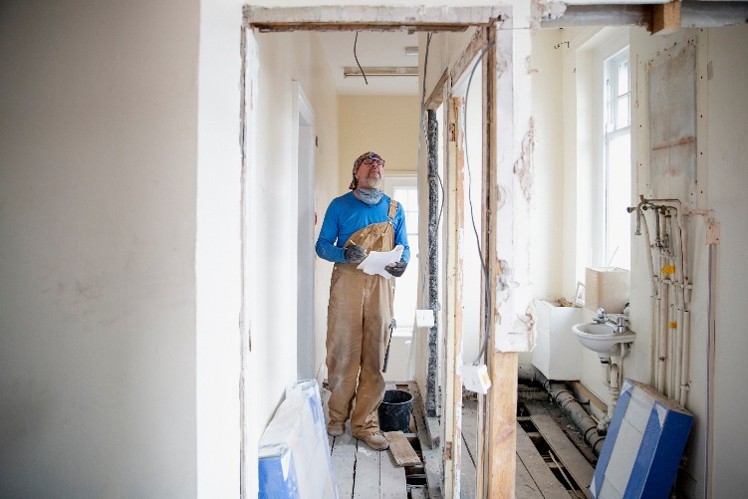
Common Places Where Lead Is Found in the Home
Lead hazards often hide in plain sight. Before disturbing building materials during a renovation, contact a lead-safe renovator for testing and possible remediation.
Lead-based paint is the most common concern. Many homes built more than 50 years ago contain this material because adding lead made paint dry faster, maintain a more vibrant color, and resist peeling. Those qualities made it popular for decades until research revealed serious health risks.
The following surfaces may contain lead-based paint:
- Interior walls
- Exterior siding
- Windowsills and sashes
- Doors and doorframes
- Baseboards, crown molding, and trim
- Stair railings and banisters
- Decks and porch columns
- Wood built-ins
Lead can also appear in older plumbing systems. Some historic pipes and fixtures contain this material, which releases small amounts of lead into drinking water. Although lead-based paint remains the most common source of exposure during renovation projects, aging plumbing still deserves attention.
Health Risks Associated with Lead Exposure
Lead is a toxin that affects the body in multiple ways. Even small amounts can create serious health issues, especially for young children. But because symptoms often don’t appear right away, many families don’t realize exposure has occurred until years later.
The health risks linked to lead exposure include:
- Developmental delays in children
- Neurological damage
- Slower growth and delays in reaching developmental milestones
- Irritability, mood changes, and difficulty concentrating
- High blood pressure, kidney damage, or fertility issues in adults
Public health data continues to show that lead poisoning remains a serious issue in Milwaukee communities. From 2018 to 2021, nearly 6.25% of Milwaukee County children under age 6 who were tested for lead showed elevated levels. In some neighborhoods, the rate of children affected approached 25%. These findings make lead-safe renovation practices a must.
How Lead Testing Works in Residential Properties
Lead testing determines whether hazardous materials are present in a property before renovation begins. Here’s what the process typically entails:
- A certified inspector examines painted surfaces and other areas where lead is commonly found.
- An X-ray fluorescence analysis detects lead beneath paint layers without disturbing the surface.
- Dust wipes and soil samples may follow, especially when exterior contamination is suspected.
- Laboratory analysis confirms the presence and concentration of lead in the collected samples.
- Property owners receive recommendations for proper containment or lead renovation work performed by a lead-safe renovator.
Steps to Reduce Lead Exposure at Home
You don’t need to panic about the possibility of lead in your home. Still, you should take the following steps to limit your family’s exposure:
- Keep surfaces clean: Wet cleaning methods reduce lead dust on floors, windowsills, and other surfaces.
- Address peeling or damaged paint promptly: Deteriorating paint releases dust, which creates opportunities for exposure. Professional lead paint removal and repair prevent further contamination.
- Test older homes before remodeling: If your home was built before 1978, lead testing should come first. This step reveals hidden hazards before construction begins, which is important to prevent accidental contamination.
- Work with a lead-safe renovator: Cutting, sanding, or demolishing without proper containment can spread lead dust. If testing reveals hazards, hire a trained professional to perform a lead paint renovation. A certified crew will follow strict containment, removal, and cleanup procedures to protect your property and the people living in it.
How Badger Remediation Helps Milwaukee Residents
Lead hazards tend to show up right when you’re ready to remodel or repair something. Badger Remediation handles the problem before it exposes you or your family to toxins. Our team can inspect your home and guide you toward a solution, including hiring a consultant to perform detailed property assessments and lead testing prior to scheduling remediation. Using advanced equipment and proven containment methods, we manage lead renovation work while protecting building occupants and the surrounding environment. Milwaukee homeowners and businesses trust our experienced crew to handle lead concerns with safety and precision in mind.
When to Call a Professional
Do you live in a pre-1978 home? Have you noticed peeling or cracking paint, or is a renovation project on the horizon? If so, it may be time to call a professional lead-safe renovator. The team at Badger Remediation is committed to protecting health and the surrounding environment while creating safer spaces for our neighbors. Contact us today to schedule professional lead renovation services.
