
Why Climate Matters for Asbestos Risks in Milwaukee Metro
When you think about the changing climate, hazardous building materials rarely come to mind first. However, severe weather and shifting temperatures directly contribute to the degradation of building structures. This structural wear and tear significantly increases the risk of asbestos exposure in older properties.
Throughout the Milwaukee Metro area, countless residential and commercial buildings constructed before the 1980s still contain asbestos in their insulation, flooring, and roofing. While these materials remain safe when perfectly intact, extreme weather events compromise their stability. High winds, heavy rainfall, and deep freezes damage building exteriors and interiors, exposing hidden hazards.
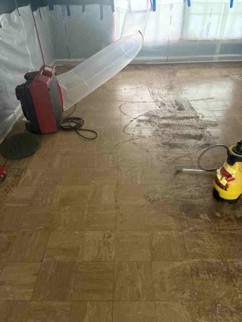
How Asbestos Becomes a Health Hazard
Asbestos does not pose an immediate threat just by sitting in a wall or wrapped around a pipe. The danger begins when the material breaks down, crumbles, or experiences physical disturbance. Once damaged, the material releases microscopic fibers into the air. Anyone in the immediate area can easily inhale these invisible particles.
Prolonged inhalation leads directly to severe health complications. Often, the earliest signs of asbestos exposure do not appear until decades after the initial contact. Because the fibers lodge themselves deep within lung tissue, they cause chronic inflammation and scarring. Over time, individuals may develop serious respiratory conditions, including mesothelioma or asbestosis. Unfortunately, no specific asbestos exposure treatment can reverse the cellular damage, making prevention and professional abatement the only true safeguards.
Climate Factors That Increase Asbestos Exposure
Extreme weather events accelerate the deterioration of building materials, turning dormant asbestos into an active hazard. Specific climate factors trigger these dangerous structural changes:
- Severe Storms and High Winds: Heavy storms batter roofing shingles, exterior siding, and window caulking. If these components contain asbestos, the physical impact breaks the material apart, sending fibers airborne.
- Flooding and Water Damage: Water infiltration ruins drywall and pipe insulation. When asbestos-containing materials become waterlogged and subsequently dry out, they often turn friable. This means they crumble easily under slight pressure, drastically increasing exposure risks.
- Temperature Fluctuations: Rapid shifts between extreme heat and freezing cold cause building materials to expand and contract. This constant movement cracks aging asbestos floor tiles and joint compounds.
Seasonal Asbestos Risks in the Milwaukee Metro Area
The varied seasons across MKE and the surrounding Lake Country introduce unique challenges for property owners.
During the freezing Wisconsin winters, ice dams frequently form on older roofs. The trapped water seeps under shingles and leaks into attics, damaging asbestos insulation. Additionally, reliance on older heating systems forces air through aging, potentially hazardous ductwork.
When the spring thaw arrives, the rapid melting of heavy snowpack routinely floods basements across the Milwaukee Metro. This standing water degrades the adhesive mastic under floor tiles and ruins boiler insulation. Summer brings intense humidity and severe thunderstorms, which batter the exteriors of commercial buildings and homes alike. Each season puts your property’s structural integrity at risk in different ways, making year-round vigilance necessary.
How Badger Remediation Addresses Climate-Related Asbestos Risks
Removing hazardous materials requires precision, care, and a strict dedication to safety. At Badger Remediation, our asbestos professionals handle complex abatement cases across the greater Milwaukee area. Whether a severe winter storm damaged your commercial roof or spring flooding impacted your basement floor tiles, our team uses advanced techniques and the latest technology to safely remove the threat.
What sets Badger Remediation apart is our dual expertise in remediation and restoration services. We understand how buildings are put together, which allows us to dismantle hazardous areas safely without compromising the surrounding structure. We seamlessly flow between remediation and restoration, ensuring your property is not only free of dangerous materials but fully prepared for rebuilding. With a commitment to protecting your health and the environment, we deliver reliable results that restore safety to your space.
FAQs: Climate and Asbestos Exposure
Can Cold Wisconsin Winters Cause Asbestos Exposure?
Yes. Extreme cold causes building materials to contract and crack. Additionally, ice dams can cause water to leak into attics and walls, degrading asbestos-containing insulation and joint compounds. When these materials break down, they release harmful fibers into the air.
Does Flooding Increase Asbestos Risks In Basements?
Absolutely. Floodwaters break down the binders in older building materials. When asbestos-containing pipe wrap, boiler insulation, or floor tile adhesives get wet and subsequently dry out, they become brittle and friable, creating a severe inhalation hazard.
Is Asbestos More Dangerous During Home Renovations?
Yes. Disturbing intact asbestos is the primary cause of fiber release. If weather damage forces you to renovate your property, tearing out old drywall, flooring, or roofing without proper safety measures will expose you to dangerous fibers. Always schedule an asbestos exposure test for the materials before beginning demolition.
How Do Storms Expose Asbestos Materials?
High winds, hail, and flying debris physically impact the exterior of a building. This physical trauma cracks asbestos cement siding, breaks apart older roofing shingles, and damages window glazing, instantly turning a stable material into an airborne hazard.
When Should Milwaukee Property Owners Schedule Asbestos Inspections?
You should schedule an inspection immediately after your property sustains significant weather damage, such as a flooded basement or a damaged roof. Additionally, you must always test suspect materials before starting any remodeling, renovation, or demolition projects on buildings constructed before the 1980s.
