
Mold is one of the most common indoor environmental concerns homeowners face, and humidity often plays a major role in its development. While water leaks and flooding are well-known causes of mold, excess moisture in the air can also create ideal conditions for fungal growth. Understanding the connection between humidity and mold growth can help homeowners identify risks early and take steps to protect their property and indoor air quality. Badger Remediation explains how seasonal conditions influence moisture levels and how property owners can take proactive steps toward humidity control for mold prevention.
Why Humidity Creates Conditions for Mold Growth
Mold spores naturally exist indoors and outdoors. Under normal conditions, these microscopic spores remain harmless. When they encounter sufficient moisture and organic materials such as wood, drywall, carpeting, or insulation, they can begin to grow and spread. When indoor humidity remains elevated for extended periods, moisture can accumulate on surfaces and within building materials. This creates an ideal environment for mold to thrive. Several factors make humidity a significant contributor to mold growth:
- Moist air can condense on cooler surfaces.
- Building materials absorb excess moisture over time.
- Damp areas provide the conditions mold needs to colonize.
- Hidden moisture problems may develop behind walls and under flooring.
- Mold can grow without direct exposure to liquid water if humidity levels remain high enough.
How Summer Humidity Can Increase Indoor Mold Risk
Summer often brings some of the highest indoor humidity levels of the year. Warm outdoor air naturally contains more moisture, and that moisture can enter homes through open doors, windows, crawl spaces, attics, and ventilation systems. Common summer conditions that contribute to mold development include:
- Poor Ventilation: Bathrooms, kitchens, laundry rooms, and basements often accumulate moisture from daily activities. Without adequate ventilation, humidity levels can remain elevated for long periods.
- Air Conditioning Problems: Air conditioning systems help remove moisture from indoor air. When systems are improperly sized, poorly maintained, or malfunctioning, they may fail to control humidity effectively.
- Damp Basements and Crawl Spaces: Basements and crawl spaces are naturally cooler than the rest of the home. Warm, humid air entering these spaces can lead to condensation on walls, floors, and pipes.
- Increased Outdoor Moisture: Periods of heavy rainfall and high humidity can increase moisture infiltration through foundations, windows, and roofing systems.
How Winter Conditions Can Contribute to Mold
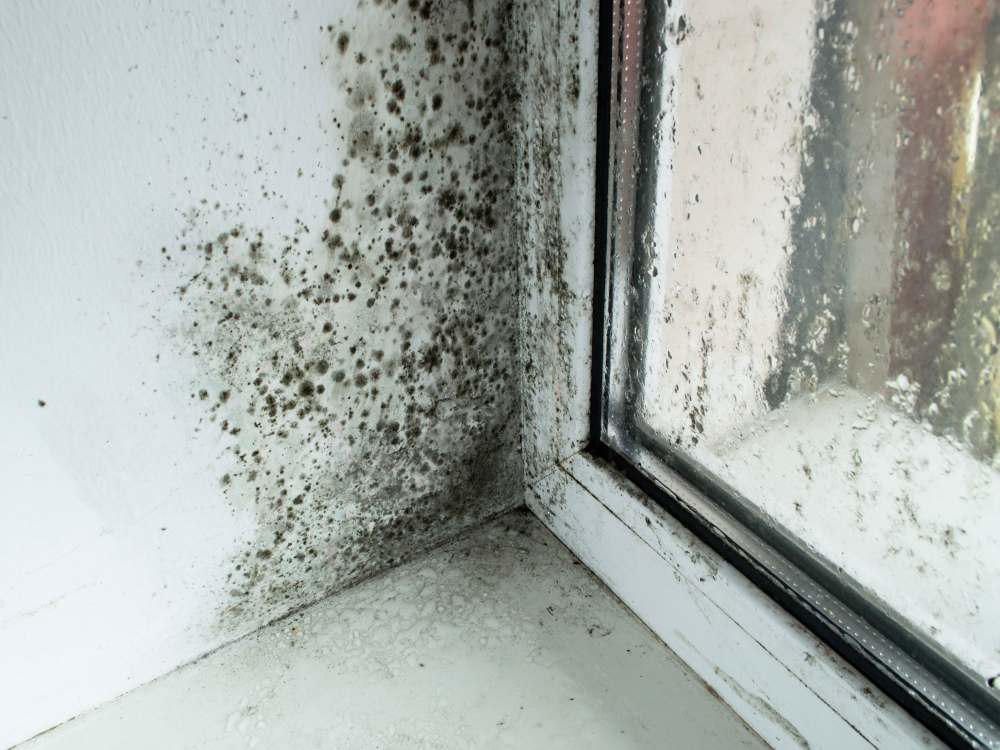
During colder months, warm indoor air often comes into contact with cold surfaces such as windows, exterior walls, and poorly insulated areas. When this happens, moisture may condense and collect on these surfaces. Common winter-related seasonal mold problems include:
- Window Condensation: Persistent condensation on windows can provide enough moisture for mold growth around window frames, sills, and surrounding drywall.
- Poor Insulation: Cold spots within exterior walls can encourage hidden condensation behind drywall and insulation materials.
- Reduced Air Circulation: People tend to keep windows sealed during winter, reducing airflow and trapping moisture indoors.
- Humidifier Overuse: Whole-home and portable humidifiers can improve comfort during dry winter months, but excessive use may raise humidity levels enough to support mold growth.
- Attic Moisture Buildup: Poor attic ventilation can trap warm, moist air, resulting in condensation and mold growth on roof decking and other materials.
Signs That Humidity May Be Contributing to Mold
Many humidity-related mold issues begin gradually and may go unnoticed at first. The most common indicators humidity is contributing to mold include:
- Musty or earthy odors
- Condensation on windows or walls
- Visible mold spots on ceilings, walls, or baseboards
- Peeling paint or wallpaper
- Water-stained building materials
- Increased allergy-like symptoms indoors
- Damp or humid feeling rooms
- Persistent moisture in basements, crawl spaces, or attics
Ways to Reduce Humidity and Prevent Mold Growth
There are several effective methods for preventing mold from humidity before major issues develop. Badger Remediation recommends the following ways to help reduce humidity indoors include:
- Maintain Proper Indoor Humidity: Keep indoor humidity between 30% and 50% whenever possible.
- Use Dehumidifiers: Dehumidifiers can significantly reduce moisture levels in basements, crawl spaces, and other problem areas.
- Improve Ventilation: Use exhaust fans in bathrooms, kitchens, and laundry rooms to remove excess moisture generated through everyday activities.
- Maintain HVAC Systems: Regular inspections and maintenance help ensure air conditioning systems effectively manage temperature and humidity.
- Address Condensation Quickly: If you notice persistent window condensation or damp surfaces, investigate the source and improve insulation or airflow where necessary.
- Fix Moisture Intrusion Problems: Roof leaks, foundation issues, plumbing leaks, and poor drainage can amplify humidity-related mold concerns and should be repaired promptly.
Protect Your Property From Humidity-Related Mold Growth
Badger Remediation offers complete mold remediation services in the Milwaukee Metro. If you’ve noticed signs of mold, persistent moisture, or elevated humidity levels, professional assistance can help determine the source of the problem and recommend effective solutions. Contact Badger Remediation today for a professional mold inspection and remediation assessment.
Frequently Asked Questions
What Humidity Level Encourages Mold Growth Indoors?
Mold growth becomes increasingly likely when indoor humidity consistently rises above 60%. Maintaining indoor humidity between 30% and 50% is generally recommended to minimize mold risk.
Can High Humidity Cause Mold Even Without a Water Leak?
Excess humidity alone can provide enough moisture for mold growth. Condensation on walls, windows, and other surfaces can create conditions that support mold development without any plumbing or roof leaks.
Does Mold Grow More During Summer or Winter?
Both seasons can contribute to mold growth, but for different reasons. Summer often brings elevated humidity levels, while winter commonly causes condensation-related moisture problems. The greater risk depends on the property’s conditions and moisture management practices.
How Can I Reduce Indoor Humidity to Prevent Mold?
Using dehumidifiers, improving ventilation, maintaining HVAC systems, repairing leaks, and monitoring humidity levels can all help reduce excess moisture and prevent mold growth.
When Should I Contact a Professional for a Mold Problem?
You should contact a professional if you notice visible mold growth, persistent musty odors, recurring moisture issues, worsening indoor air quality concerns, or suspect mold may be hidden behind walls, ceilings, or flooring.
