
Professional Asbestos Abatement Process Step-By-Step Guide
If your home, office, or commercial building was constructed decades ago, it may contain asbestos-containing materials. While asbestos was once widely used in construction because of its durability and fire-resistant properties, it is now recognized as a serious health hazard when disturbed. Understanding the asbestos abatement process can help property owners make informed decisions and ensure the safety of everyone involved.
What Is Asbestos Abatement?
Asbestos abatement refers to the professional process of managing asbestos-containing materials (ACMs) to prevent exposure to airborne fibers. Depending on the condition of the material and the project goals, abatement may involve:
- Removing asbestos-containing materials entirely
- Encapsulating materials with specialized coatings
- Enclosing asbestos behind barriers
- Safely cleaning and disposing of contaminated debris
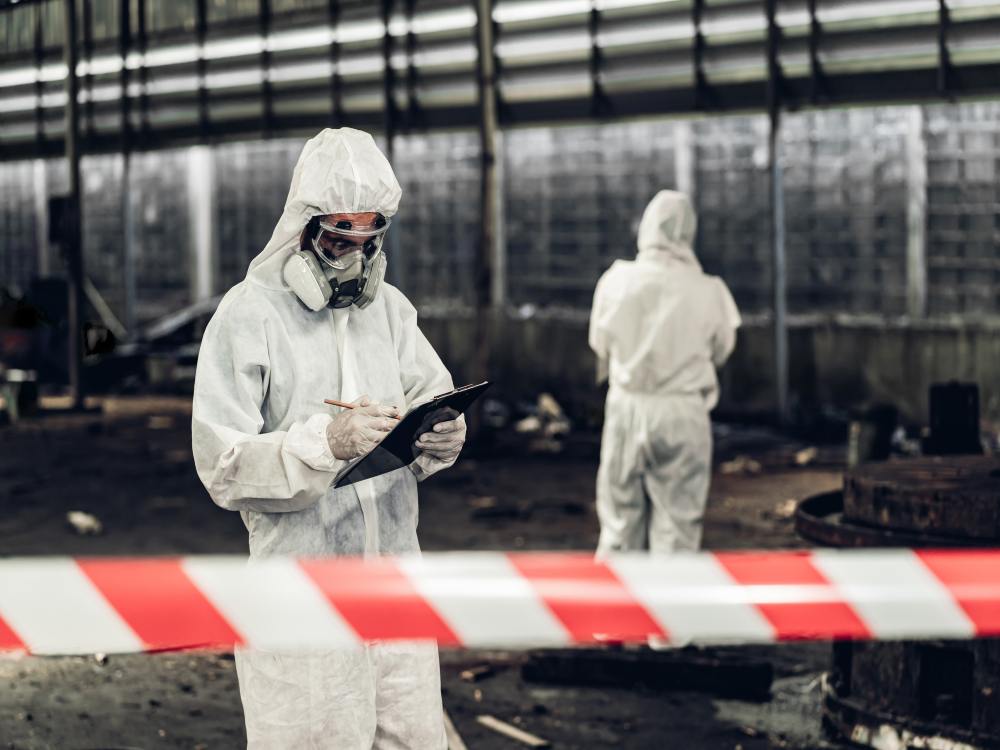
The Certified Asbestos Removal Workflow: Step-by-Step
Step 1: Initial Asbestos Inspection and Assessment
Before a single piece of drywall is touched, a certified inspector must conduct a thorough physical assessment of the property. During this initial phase, the inspector locates suspected materials and safely collects physical samples. These samples are sent to an accredited laboratory for polarized light microscopy (PLM) analysis. This testing determines the exact type of asbestos present and whether it’s friable (easily crumbled by hand, posing an immediate inhalation risk) or non-friable (stable unless cut, sanded, or broken).
Step 2: Developing an Asbestos Abatement Plan
Once the lab confirms the presence of asbestos, Badger Remediation designs a customized asbestos abatement plan. This document outlines the scope of work, the specific asbestos removal steps required, the engineering controls that will be utilized, and the proper disposal protocols. We also submit all necessary notifications to state and local environmental agencies to ensure full regulatory compliance before work begins.
Step 3: Preparing and Containing the Work Area
The most critical phase of the asbestos containment procedure is isolating the workspace to prevent cross-contamination. This includes:
- Sealing the Area: Technicians seal off all HVAC vents, windows, doors, and openings with heavy-duty plastic sheeting (polyethylene).
- Negative Air Pressure: We set up industrial HEPA-filtered negative air machines. These units continuously pull air out of the containment zone and pass it through medical-grade filters, preventing any contaminated air or stray fibers from escaping into other areas of your property.
- Decontamination Enclosure: A multi-stage decontamination shower chamber is constructed at the entrance of the work zone, allowing technicians to safely transition in and out without spreading fibers.
Step 4: Removing or Encapsulating Asbestos-Containing Materials
Depending on the condition of the material and the building’s goals, our team will execute one of two primary methods. These include:
- Asbestos Removal: Workers wear specialized personal protective equipment (PPE), including full-body Tyvek suits and respiratory protection. The materials are misted with a chemical wetting agent to keep fibers damp and heavy, preventing them from becoming airborne. The materials are carefully disassembled, sealed in labeled, leak-tight hazmat bags, and prepared for asbestos disposal.
- Asbestos Encapsulation: If removal poses a greater risk of damage or if the material is structurally sound, we apply a thick, protective sealant that binds the asbestos fibers together, permanently preventing them from ever escaping into the air.
Step 5: Final Cleanup, Clearance, and Project Completion
After all targeted ACMs are removed or encapsulated, the entire containment zone undergoes a meticulous wet-wiping and HEPA-vacuuming process. Once the area is visually immaculate, an independent, third-party environmental professional conducts air clearance testing. Using specialized pumps, they collect air samples inside the containment zone to verify that airborne fiber counts are well below regulated safety limits. Once the clear results are achieved, the containment barriers are dismantled, and the property is officially certified safe for re-entry. All collected waste is then transported to a licensed hazardous waste landfill in accordance with EPA guidelines.
Trust Milwaukee’s Asbestos Experts
When asbestos is suspected, professional help is the safest path forward. Attempting to handle asbestos-containing materials without proper training can increase exposure risks and create costly problems. Badger Remediation provides trusted asbestos abatement services throughout the Milwaukee Metro area. From inspections and containment to removal and final clearance, our team follows proven safety protocols at every step. Call us now or contact us online to schedule an asbestos consultation.
Frequently Asked Questions
How Long Does Professional Asbestos Abatement Take?
The timeline varies depending on the size of the area, the type of materials, and accessibility. A small residential project, such as removing a short run of pipe insulation, can often be completed in a single day. Larger commercial projects or whole-home remediations may take anywhere from three to five business days to complete containment, removal, and final air clearance testing.
How Do I Know if a Material Contains Asbestos?
You cannot identify asbestos simply by looking at it. The only definitive way to know is through professional testing. If your home or commercial space was built before 1990 and you plan to renovate or demolish any walls, flooring, or insulation, contact a certified professional to test the materials first.
Can I Stay in My Home During Asbestos Abatement?
For minor, non-friable exterior removals, you may be able to remain on-site. However, for most interior, friable asbestos removal projects, we highly recommend that residents and pets vacate the property during the active containment and removal phase to ensure absolute safety and peace of mind.
Is Asbestos Abatement Different From Asbestos Removal?
Yes. Asbestos removal refers strictly to the physical extraction and disposal of the material. Asbestos abatement is a broader term that encompasses the entire mitigation strategy, including inspection, planning, containment, removal, encapsulation, and post-testing clearance to ensure the environment is permanently safe.
