Your Comprehensive Guide to Asbestos Abatement
Asbestos has been a hidden hazard in many older buildings throughout the Milwaukee, WI metro area. At Badger Remediation, we help local property owners address asbestos concerns with safe, compliant, and effective solutions. This guide outlines the essential information you need to understand asbestos, why it’s dangerous, and how our asbestos abatement services can protect your property and your health.
What Is Asbestos?
Asbestos is a naturally occurring group of six silicate minerals made up of microscopic fibers. These fibers are extremely durable and heat-resistant, which made them popular in various construction materials. The danger of asbestos arises when materials containing it are disturbed, releasing fibers into the air that can be inhaled. Once in the lungs, these fibers can cause long-term health issues that develop over decades.
Asbestos may still be found in many buildings constructed before the 1990s, especially in insulation, pipe coverings, ceiling tiles, and floor tiles. Since asbestos often looks like other building materials, only laboratory testing can confirm its presence.
Asbestos and Its Historical Use in Construction
Asbestos was once widely used in construction for its resistance to heat, fire, and corrosion. From the 1940s through the 1980s, it was common in insulation, flooring, roofing materials, and cement products. Although its use has been banned or heavily restricted in many products, it still exists in countless homes, schools, and commercial buildings today. Disturbing asbestos-containing materials without proper containment can release dangerous fibers into the air. That’s why working with an experienced asbestos abatement contractor is essential when asbestos is suspected or confirmed.
What Are the Types of Asbestos and Where Is It Found?
Different types of asbestos may be present in building materials. Each type has specific risks and applications:
- Chrysotile, or white asbestos, is the most common type and was widely used in insulation and roofing.
- Amosite, or brown asbestos, is often found in cement sheets and pipe insulation.
- Crocidolite, or blue asbestos, is less common but considered the most dangerous due to its brittle structure and sharp fibers.
Other types include anthophyllite, tremolite, and actinolite, which are typically found as contaminants.
In buildings, asbestos may be hidden in a variety of locations, such as:
- Boiler and pipe insulation
- Popcorn ceilings and textured paints
- Vinyl floor tiles and adhesive
- Roof shingles and flashing
- Duct insulation and cement siding
Because asbestos is not always visible, professional inspection and testing are necessary before any demolition or renovation work.
Health Risks of Asbestos Exposure: Why You Need Proper Protection
Inhalation of airborne asbestos fibers is the primary health concern. Once inhaled, these fibers can become lodged in lung tissue, where they remain for years. Over time, they can lead to severe health problems, including:
- Asbestosis, a chronic lung condition that causes scarring and breathing difficulty
- Lung cancer, often developing decades after exposure
- Mesothelioma, a rare and aggressive cancer affecting the lining of the lungs or abdomen
- Pleural effusion and pleural thickening, which restrict lung function
There is no safe level of asbestos exposure, which is why asbestos abatement must be handled with the highest safety standards. Our team uses personal protective equipment (PPE), HEPA-filtered air systems, and proper containment to minimize risk during removal.
Ensuring Compliance With Abatement Regulations
Asbestos abatement is strictly regulated by the Environmental Protection Agency (EPA), Occupational Safety and Health Administration (OSHA), and local agencies in Wisconsin. These rules govern how asbestos is identified, removed, and disposed of to protect workers and building occupants. Asbestos abatement services must follow protocols, including:
- Notification to state agencies prior to starting abatement work
- Use of licensed professionals with up-to-date certifications
- Written work plans detailing containment methods and procedures
- Air quality monitoring before, during, and after the project
- Proper transport and disposal of hazardous asbestos waste
Our asbestos abatement professionals are trained to manage every aspect of regulatory compliance. We stay current with Wisconsin DNR and federal rules to ensure that all projects are safe, legal, and effective.
Key Steps in the Asbestos Abatement Process
Asbestos abatement involves several stages designed to safely remove or contain asbestos materials without releasing harmful fibers into the air. The process must be performed by a certified asbestos abatement professional following state and federal regulations. Hiring a qualified asbestos abatement contractor ensures these steps are handled thoroughly and in compliance with regulatory standards. Here are the primary steps in the asbestos abatement process:
- Initial inspection and testing to identify asbestos-containing materials
- Developing a site-specific abatement plan and obtaining required permits
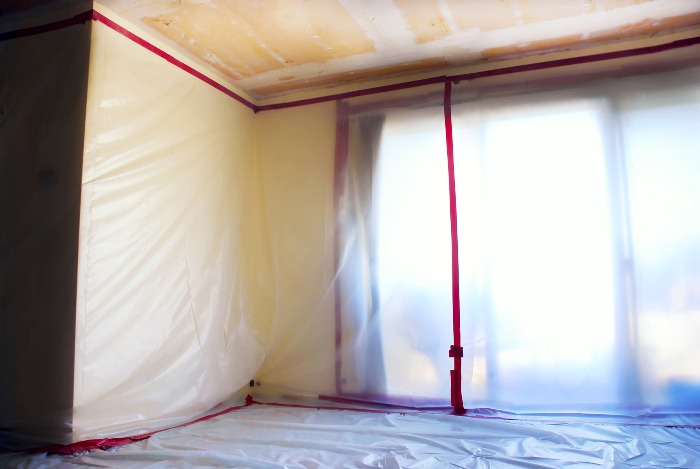
- Sealing off the affected area with barriers and negative air pressure systems
- Removing or encapsulating asbestos using specialized tools and safety gear
- Properly bagging, labeling, and disposing of asbestos waste
- Conducting post-removal air monitoring to ensure clearance
How Industrial Filtration Systems Work During Asbestos Abatement
During asbestos removal, preventing fiber contamination in surrounding areas is critical. Industrial filtration systems, including negative air machines with HEPA filters, are essential to maintaining safety. Using high-efficiency air filtration is not just good practice; it’s a legal requirement and one of the most effective tools to protect workers, occupants, and the environment.
These systems work by creating negative air pressure within the abatement zone. This means that air flows into the containment area, but not out. The HEPA filters then capture asbestos fibers from the air before the air is vented outside or recirculated. Here’s how the process works:
- Install temporary containment barriers to isolate the work area.
- Set up negative air machines to create directional airflow.
- Run the air through HEPA filters capable of trapping microscopic particles.
- Maintain filtration throughout the project until air testing confirms clearance.
Understanding Asbestos Abatement Cost and Project Scope
Asbestos abatement cost varies depending on several factors, including the size of the affected area, the type and location of asbestos materials, and the level of risk involved. Commercial or industrial abatement costs are often higher due to larger square footage and more complex containment requirements. Our team provides detailed assessments and upfront pricing based on your specific situation. Because abatement is a safety issue, it should be seen as an investment in protecting property value and occupant health.
Schedule Asbestos Abatement Services with Badger Remediation If you suspect asbestos in your home or building, contact Badger Remediation to schedule a professional inspection. Our asbestos abatement contractors serve Milwaukee, WI, and the surrounding areas with safe, efficient, and fully compliant services.
