Mold can be more than just an eyesore—it can also pose health risks and cause damage to your home. At Badger Remediation, we’ve worked with countless homeowners throughout the Milwaukee, WI metro area who are dealing with the aftermath of mold. Knowing how to prevent mold before it starts is critical to protecting your home and health. Below, we’ll break down the basics of mold, where it grows, how to stop it, and what you can do if you find it.
What Is Mold?
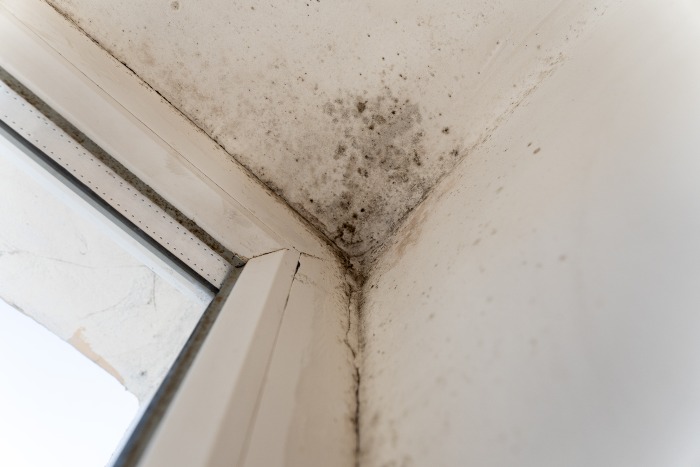
Mold is a type of fungus that thrives in damp, warm, and humid environments. It reproduces by releasing spores that float through the air. These spores can settle on virtually any surface. Once they find a moist area, they begin to grow, feeding on organic materials like wood, drywall, and fabric.
Mold is often black, green, or white and may appear fuzzy or slimy. It has a musty, earthy odor. Even small patches of mold can signal a larger issue, especially if moisture is present behind walls or under flooring. While some molds are harmless, others can be potentially harmful, so it’s important to address the problem promptly.
Mold and Its Impact on Health & Home
Mold is a common problem in homes across Wisconsin, especially with our humid summers and freezing winters. Mold spores are always present in the air, but when they land on damp surfaces, they can begin to grow and spread. Mold exposure can trigger allergies, worsen asthma, and lead to respiratory infections. In addition to health concerns, mold can damage walls, flooring, insulation, and personal belongings. Understanding the causes of mold and applying the right mold preventative strategies can help you avoid costly repairs and protect your family’s well-being.
Are There Different Types of Molds?
There are several types of mold that commonly appear in homes. Identifying the type of mold isn’t always easy without lab testing. If you see mold or smell something musty, especially if it returns after cleaning, it’s best to contact a mold remediation expert to evaluate the situation. Some molds are relatively harmless, while others require professional mold remediation services:
- Cladosporium is often found on fabrics and wood surfaces and can cause mild allergic reactions.
- Penicillium has a blue or green appearance and spreads quickly, especially in water-damaged areas.
- Aspergillus is a common indoor mold that can lead to respiratory issues, particularly in individuals with weakened immune systems.
- Stachybotrys chartarum, also known as black mold, is potentially harmful and requires prompt attention from professionals.
Common Areas Prone to Mold Growth
Mold can grow anywhere in a home, but it thrives in areas where moisture is often present. Knowing where to look can help you catch problems early. Regularly checking these areas for signs of mold or excess moisture can be one of the best mold prevention strategies. Here are some of the most common areas prone to mold growth:
- Bathrooms, especially around tubs, sinks, and under cabinets
- Basements, particularly near foundation walls and sump pumps
- Kitchens, including under sinks and behind refrigerators
- Laundry rooms with poor ventilation or leaky connections
- Attics with roof leaks or inadequate insulation
- Around windows and doors where condensation builds up
- Behind drywall in rooms with high humidity
Essential Tips for Mold Prevention
Preventing mold is often easier than dealing with existing infestation. Fortunately, many mold prevention techniques are simple and cost-effective. By addressing moisture issues promptly and using preventative tools, you can significantly reduce the chances of mold developing in your home. Below are some practical ways to reduce the risk of mold in your home:
- Use a dehumidifier to keep indoor humidity levels below 50%.
- Ensure proper ventilation in bathrooms, kitchens, and laundry areas.
- Fix leaky pipes, faucets, and roofs as soon as possible.
- Clean and repair gutters regularly to avoid water buildup near the foundation.
- Avoid carpet in basements or bathrooms where moisture is common.
- Use mold-resistant products when renovating or remodeling.
- Store items in plastic bins instead of cardboard, especially in damp areas.
Additional Tips to Prevent Mold from Growing in Your Home
Some mold prevention practices are more long-term but worth the investment, especially in homes that are older or prone to water issues. Being proactive about home maintenance and moisture control is key to avoiding mold. If a problem does arise, quick action is critical to preventing it from spreading further. Here are a few additional strategies for how to prevent mold and keep your home safe:
- Waterproof your basement to keep groundwater from seeping in.
- Insulate cold surfaces like pipes and walls to reduce condensation.
- Use exhaust fans that vent outside, not just into the attic.
- Regularly clean HVAC systems and replace filters.
- Check for signs of water stains, soft spots, or warping in ceilings and floors.
Why You Need Professional Mold Remediation Services
Even with the best mold preventative steps, some issues are beyond DIY. If you discover mold in your home—especially if it’s extensive or in hard-to-reach areas—it’s time to bring in professionals. At Badger Remediation, we specialize in comprehensive mold remediation in Milwaukee, WI, and the surrounding areas. Our trained technicians assess the extent of the issue, remove the mold safely, and take steps to prevent it from returning. We understand the health and structural concerns mold can cause, and our team is here to restore your home with minimal disruption.
Protect Your Home from Mold With Badger Remediation If you suspect mold in your home or want expert help with mold prevention, contact Badger Remediation to schedule an inspection. We provide trusted mold remediation services throughout the Milwaukee, WI metro area and are ready to help.
